The 3-Bucket Retirement Plan
ReliableReads Editorial Team
Prospect Match
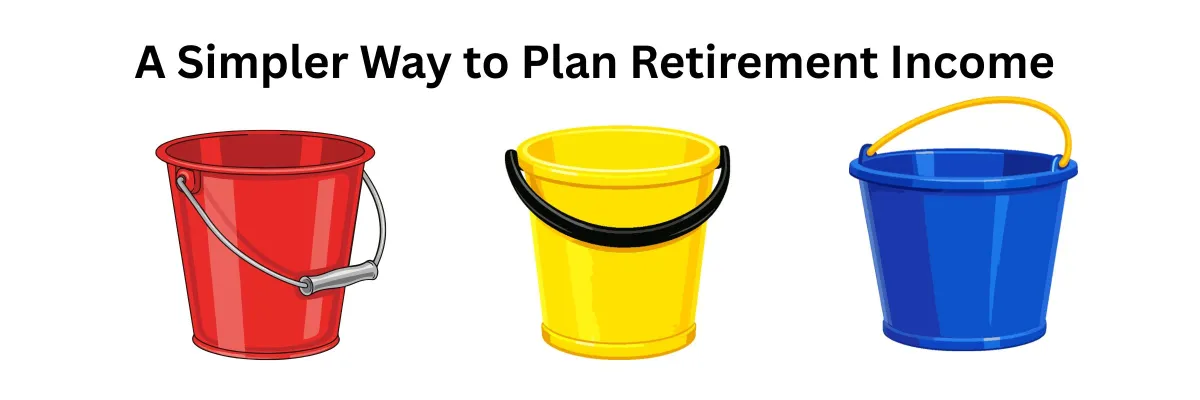
Planning for retirement can feel overwhelming. You are not just saving anymore. You are deciding how to turn what you have built into income that lasts. One strategy that continues to gain attention—both from advisors and research—is the Retirement Bucket Strategy.
The Retirement Bucket Strategy organizes your money based on when you will need it.
Originally developed in the 1980s by Harold Evensky, this approach introduced a simple but powerful idea: segment your assets by time horizon instead of treating your savings as one pool. Today, leading firms support this structure as a way to turn savings into a more predictable income stream while managing risk.
The first bucket focuses on immediate needs and short-term security.
Research from U.S. Bank suggests keeping one to five years of expenses in liquid, low-risk accounts to protect against sequence of returns risk. This helps ensure that market downturns do not force you to sell investments at the wrong time.
The second bucket is built for the intermediate phase of retirement.
Guidance from firms like Capital Group supports allocating these funds to balanced investments that offer moderate growth. This bucket serves as a bridge, replenishing your short-term income while maintaining stability.
The third bucket is focused on long-term growth and future income.
Long-term investment strategies emphasize keeping assets invested for growth when they are not needed for 10 or more years. This allows time for recovery and compounding.
The true value of this strategy is how it reduces risk and emotional decision-making.
Behavioral research shows that retirees are less likely to make reactive decisions when their money is clearly segmented. A protected short-term bucket creates confidence during market volatility.
Retirement today often lasts 30 years or more—so structure matters.
Retirees should plan for income lasting 30 years or longer, making it critical to balance stability today with growth for tomorrow.
Retirement is not just about having enough—it is about having a plan that works.
The Retirement Bucket Strategy provides a clear, research-supported way to structure income, manage risk, and create confidence. When your money has a purpose and a timeline, retirement becomes less about uncertainty—and more about control.